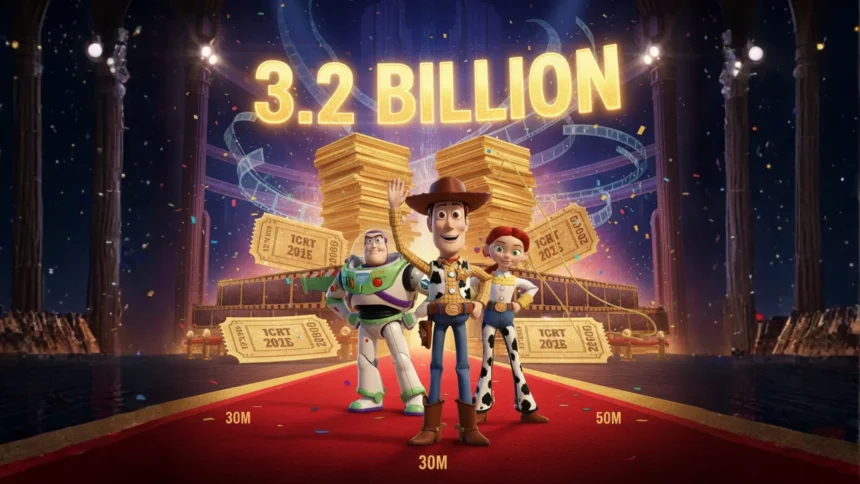

In 1995, a small animated film called Toy Story changed the movie world forever with the budget of just $30 million, it was the very first full-length feature created entirely with computer-generated imagery (CGI). What followed was nothing short of a phenomenon, transforming the Toy Story franchise into Pixar’s most successful and beloved franchise, with total box office earnings surpassing $3.2 billion worldwide.
Modest Beginning With Monumental Impact
The original Toy Story may have had a modest budget by today’s blockbuster standards but it set a completely new standard for storytelling and animation. With heartfelt characters like Woody and Buzz Lightyear, a sharp script and groundbreaking visual effects, it grossed nearly $375 million worldwide with staggering success for its time.
Sequel Success That Built Momentum
The Toy Story franchise continued to grow with sequels that were that were bigger, bolder and even more emotionally resonant.
- Toy Story 2 (1999) doubled the box office to $497 million, expanding fan love with richer character development and humor.
- Toy Story 3 (2010) became Pixar’s first film to cross the $1 billion mark globally with more than $1.067 billion earned, captivating audiences with a mature and sweet story about growing up.
- Toy Story 4 (2019) closely followed, grossing $1.073 billion and continuing to deepen the legacy with new characters and emotional arcs.
This striking pattern of increasing box office performances underscores one key fact, the Toy Story franchise isn’t just a kids’ movie, it’s a story that has grown alongside its audience, particularly millennials now playing the role of nostalgic parents.
The Millennial Connection
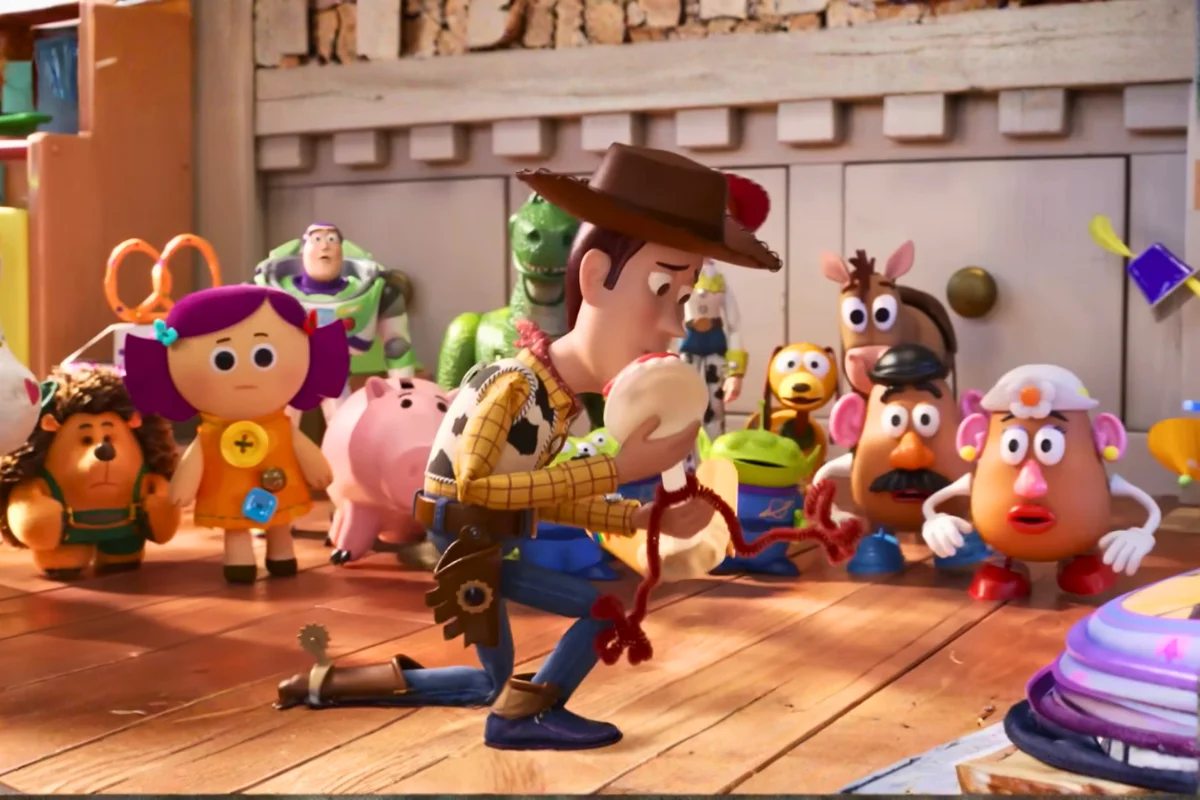
For millennials, Toy Story was a cornerstone of childhood. Seeing Andy’s toys spring to life on screen created a lasting the deep emotional bond built by the Toy Story franchise continues to shape what this generation watches, buys and shares today. The connection has become incredibly powerful, driving steady demand for new sequels, merchandise and immersive Toy Story experiences across the years.
Innovation & Storytelling: Pixar’s Winning Formula
Beyond the box office, Toy Story franchise revolutionized animation and filmmaking. Its success proves that CGI could deliver not just stunning visuals but compelling stories with universal appeal. Pixar’s blend of humor, heart and technical innovation created a timeless franchise that pushed animation forward and expanded what family movies could be.
How Toy Story Ranks Among Animated Franchises
With over $3.27 billion earned worldwide across its films, Toy Story franchise ranks as the fourth highest grossing animated franchise globally and stands far ahead of other Pixar franchises like Inside Out ($2.55B) and Finding Nemo ($1.96B). Only a handful of animated franchises, including Minions and Shrek, have earned more.
What Toy Story Franchise Will Bring in upcoming 5th sequel
Set for release in June 2026, Toy Story 5 is expected to expand on this legacy by addressing new themes like technology’s impact on play, which promises to resonate deeply with today’s tech-savvy, screen-age parents as well as the new generation of kids. Industry experts predict this film will continue to push franchise earnings higher, potentially breaking the $4 billion mark, cementing Toy Story as Pixar’s crown jewel for years to come. For a detailed analysis of this new angle, see our article Toy Story 5’s New Villain is a Tablet. It’s Pixar’s Wake-Up Call on Tech Addiction.
Conclusion
From a $30 million budget to a $3.2 billion global box office juggernaut, Toy Story is a testament to the power of storytelling, innovation and emotional resonance. It’s far more than a children’s movie, it is a cultural touchstone that continues to evolve with its audience and shape the future of animation. Stay tuned with us for more insights and updates as Toy Story 5 approaches its blockbuster premiere!