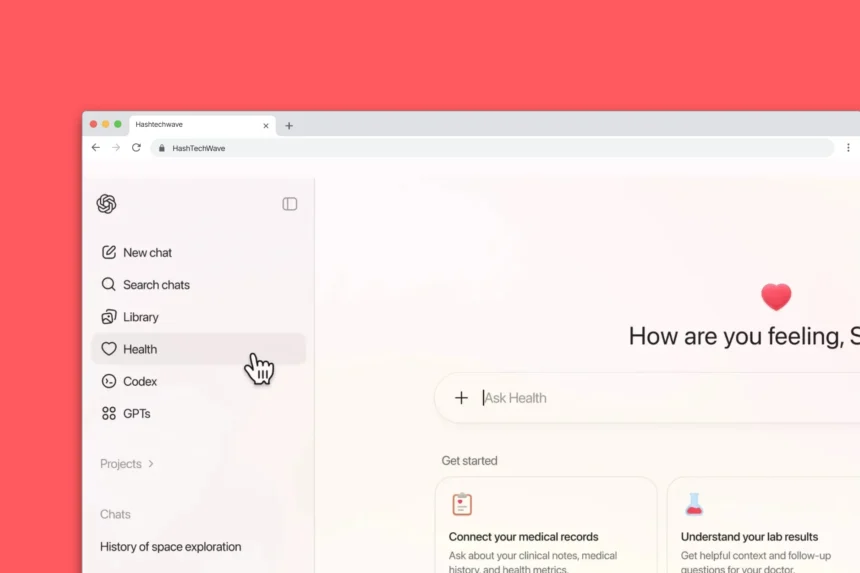

In a groundbreaking move of AI in healthcare industry, OpenAI released ChatGPT Health on January 7, 2026, that’s a dedicated, privacy-focused space inside ChatGPT designed exclusively for health and wellness conversations. With over 230 million people already querying gpt about health topics each week, this new feature aims to provide more personalized, secure and informed responses by integrating user’s own health data. Unlike general gpt chats, Health operates in an isolated environment, emphasizing support for everyday health navigation without replacing professional medical care.
We’ll cover everything from features and integrations to the privacy concerns, how to get access and why it could transform personal health management. Whether you’re curious about syncing your Apple Health data or understanding lab results.
Also Read: Why “Google AI Mode” Matters More Than Ever: Game Changer for Search
Read on to see how ChatGPT Health stacks up and how it addresses potential pitfalls. It is not medical advice and is not a substitute for seeing a doctor.
What is ChatGPT Health?
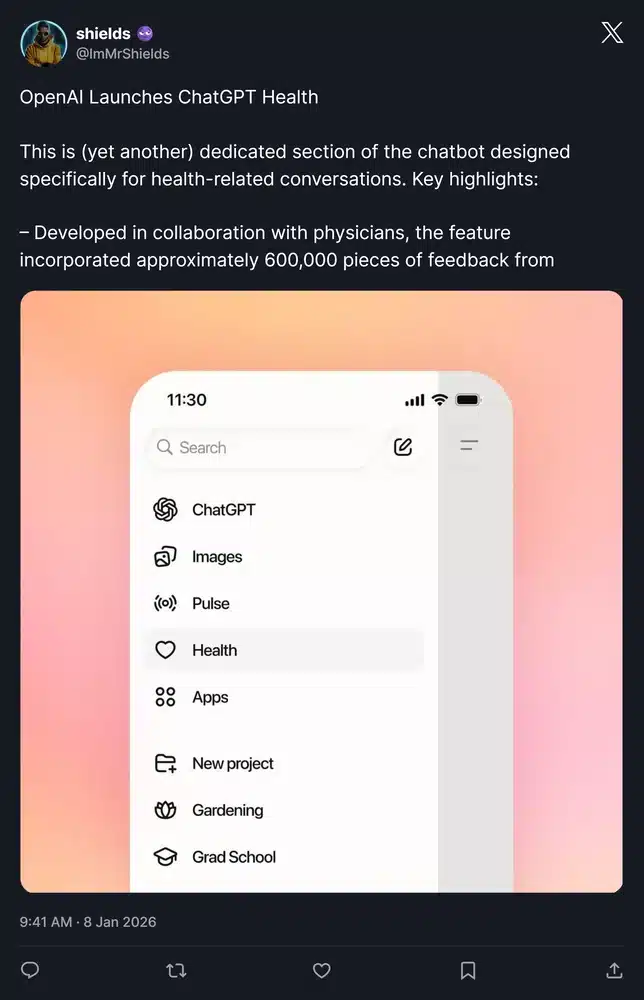
ChatGPT Health is not a standalone app but a specialized “space” inside the ChatGPT platform, accessible via a sidebar menu on web and iOS (with Android support coming soon). It allows users to have conversations about health topics, grounded in their personal data from connected apps, medical records, and uploaded files. OpenAI positions it as a “personal health co-pilot” that helps users feel more prepared and confident in managing their health.
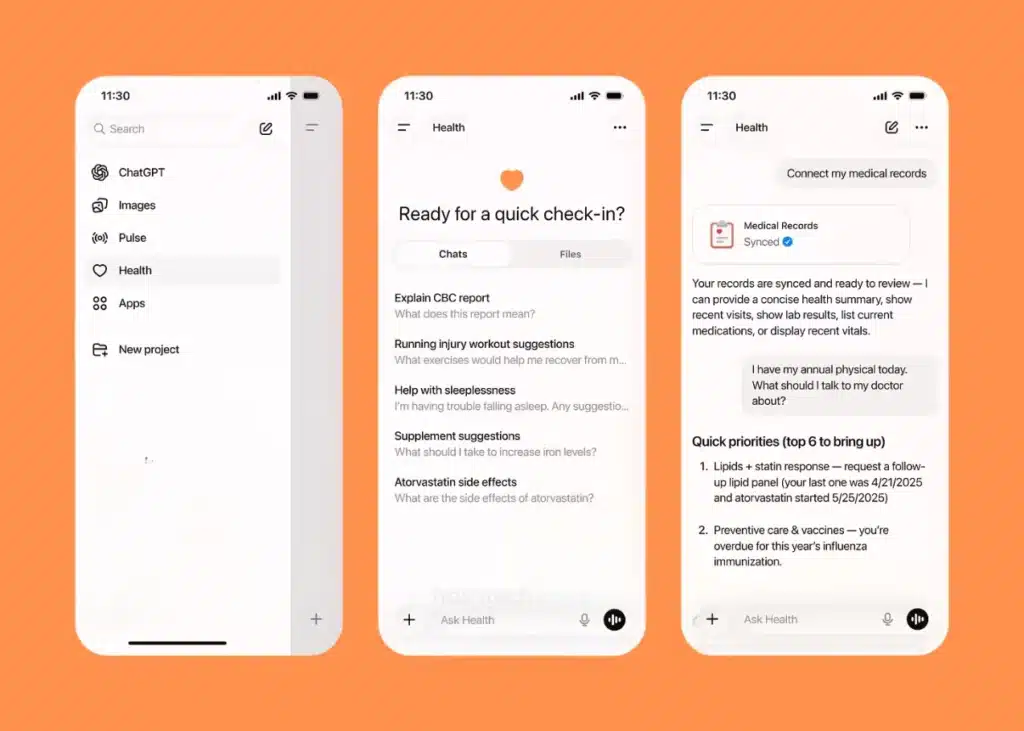
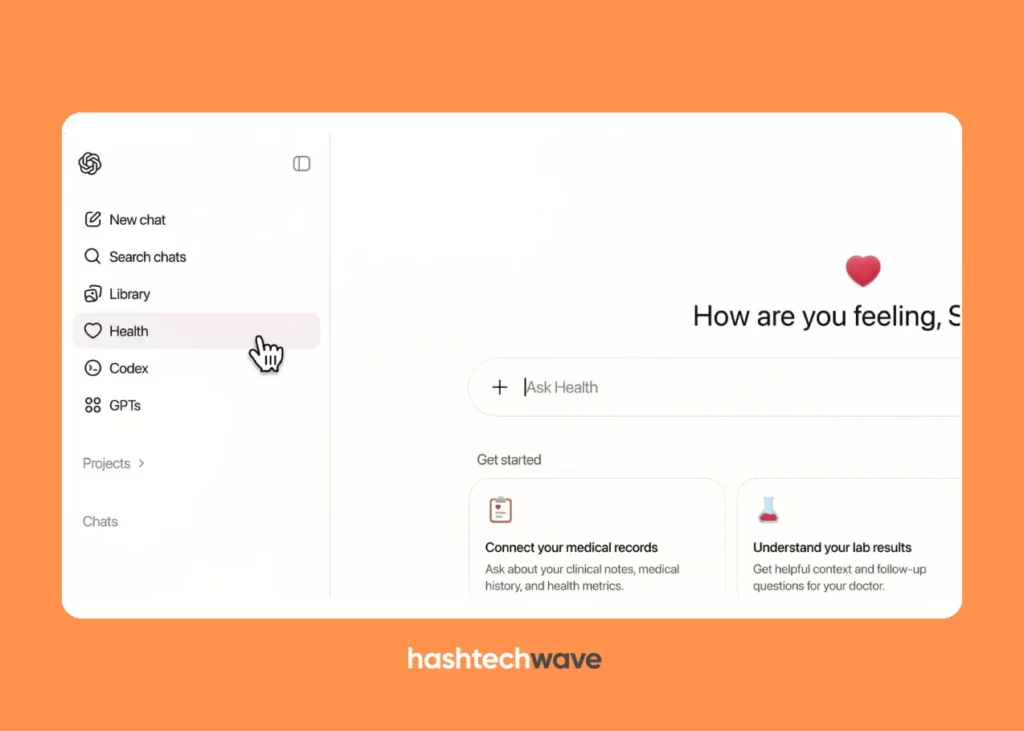
Millions of users already upload medical documents or ask about symptoms, but without dedicated safeguards, this raised privacy risks. ChatGPT Health creates a walled-off area where these discussions can happen securely, with responses tailored to your unique health history. Key differentiators from regular ChatGPT:
Key Features of ChatGPT Health
ChatGPT Health builds on ChatGPT’s core capabilities but adds health-specific tools to make interactions more practical and personalized. Here’s a breakdown:
- Personalized Health Insights: Ask questions like “How’s my cholesterol trending?” and get summaries with graphs based on your data.
- File Uploads and Analysis: Upload PDFs of lab reports, care plans, or visit summaries for easy explanations.
- Trend Tracking: Monitor patterns in diet, sleep, activity, or vital signs over time.
- Appointment Prep: Generate questions for doctors or summarize what to discuss based on your records.
- Custom Instructions: Tailor the AI to focus on specific goals (e.g., “Avoid mentioning weight loss”) or sensitivities—these apply only to Health chats.
- Advanced Tools: Includes web search, voice mode, dictation, and photo uploads for seamless use.
- Suggestion Prompts: If you start a health query in regular ChatGPT, it may suggest switching to the Health space.
OpenAI emphasizes that these features are for empowerment, not expertise—always consult professionals for serious issues
How to access ChatGPT Health (step-by-step)
If you’re eligible, here’s how to request early access:
- Go to the official waitlist page: chatgpt.com/health/waitlist (or search “ChatGPT Health waitlist” on OpenAI’s site).
- Sign in with your OpenAI/ChatGPT account.
- Submit your request—it’s quick and free.
- Wait for approval: OpenAI is granting access in waves, starting with a small group. Priority may favor active users or those in supported regions.
- Once approved: Look for the “Health” option in the ChatGPT sidebar (web or iOS app). Start connecting data and chatting!
Tip: If you ask a health-related question in regular ChatGPT, it may prompt you to switch to Health once available.
Integrations and Connectivity
One of ChatGPT Health’s standout aspects is its ability to pull in real-time data from various sources, making advice hyper-relevant. Users can connect:
Each connection requires explicit permission and can be revoked anytime. For example, you could ask for a “weekly diet and exercise plan while on GLP-1 meds,” and it would factor in your logged meals and workouts. Note: Medical integrations are U.S.-only for now, limiting global access.
What Makes ChatGPT Health Different from Regular ChatGPT?
While ChatGPT Health is built on the same powerful AI foundation as regular ChatGPT, it’s purposefully designed as a specialized, secure environment for health and wellness discussions. This separation addresses the unique sensitivity of health data and queries, which millions of users already bring to the standard chatbot. Below, we’ll break down the key differences to help you understand why OpenAI created this dedicated feature.
| Feature | Regular ChatGPT | ChatGPT Health |
|---|---|---|
| Dedicated Space | All conversations mixed in one history | Isolated “Health” sidebar section where chats, files and memories stay separate and don’t leak to regular chats (though Health can reference non-health context if helpful) |
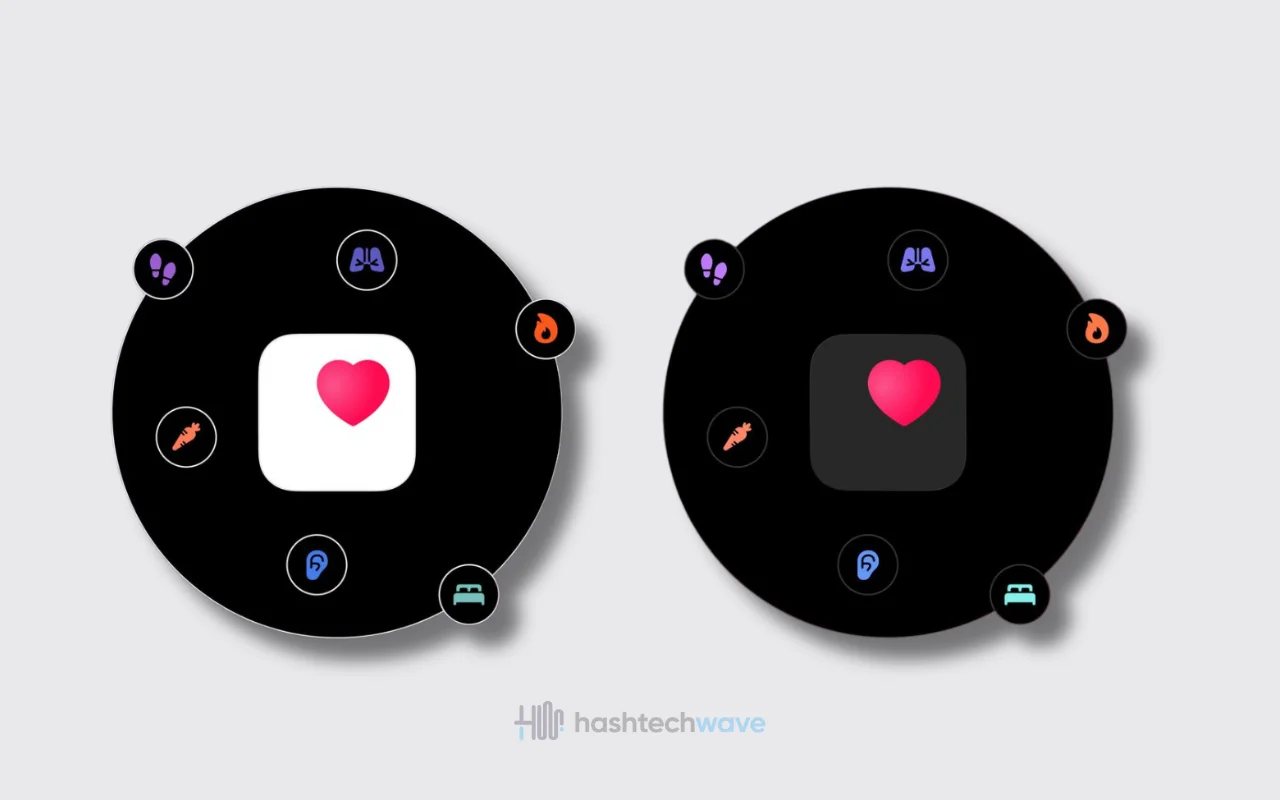
| Data Integrations | Limited to general tools; no direct health app connections | Secure connections to medical records (via b.well, U.S.-only), Apple Health, MyFitnessPal, Peloton, and more for personalized, data-grounded responses |
| Memory & Context | Shared memories across chats | Separate memory store exclusive to Health for contained health context |
| Response Tuning | General knowledge base | Refined with extensive physician feedback (260+ doctors, 600,000+ inputs) for safer, clearer health-related answers; better at escalating serious issues |
| Suggestion Prompt | Treats health queries like any other | Automatically suggests switching to Health for added protections if a health topic arises in regular chats |
| Intended Use | Broad, everyday assistance | Focused on empowerment (e.g., understanding labs, prepping for appointments) while explicitly not for diagnosis or treatment |
In short, if you’re casually brainstorming or coding, stick with regular ChatGPT. For anything involving symptoms, trends, or personal records, Health provides a more responsible, tailored, and protected experience. Always remember: It’s a supportive tool, not a substitute for professional medical advice.
Privacy and Security: Addressing the Concerns
Privacy is a hot topic with AI health tools, and OpenAI has gone to lengths to build trust. ChatGPT Health features:
Despite these measures, critics like Gizmodo highlight past ChatGPT privacy issues, such as accidental data exposure, urging caution when sharing sensitive info. On X, users express mixed feelings: excitement for accessibility but worries about data breaches in underserved areas. OpenAI counters that this setup is more secure than ad-hoc health queries in general chats.
How ChatGPT Health Was Developed
OpenAI didn’t rush this rather, development spanned two years with input from over 260 physicians across 60 countries and specialties. They provided 600,000+ pieces of feedback on AI outputs, focusing on 30 key areas like safety and clarity. The model was evaluated using HealthBench, a custom framework co-created with doctors, to ensure responses are accurate, clear and escalate when needed.
This physician-led approach sets it apart from generic AI, aiming for reliability in non-diagnostic tasks.
Availability, Eligibility, and How to Join the Waitlist
ChatGPT Health launched on January 7, 2026, but access is rolling out gradually to ensure a smooth experience. OpenAI is starting with a limited beta via waitlist, prioritizing feedback from early users before wider release.
Who is Eligible?
- Subscription Plans: Available to ChatGPT Free, Go, Plus, and Pro users—no extra cost.
- Supported Platforms: Currently on web and iOS app; Android support coming soon.
- Geographic Availability: Eligible in most countries where ChatGPT is supported, excluding the European Economic Area (EEA), Switzerland, and the United Kingdom due to strict data privacy regulations (e.g., GDPR).
- Full Integrations: Medical records (via b.well-connected providers) are U.S.-only at launch. Apple Health requires iOS.
Why is ChatGPT Health blocked in the UK & Europe?
While OpenAI has rolled out ChatGPT Health to many regions, these specific areas are currently excluded due to strict data privacy regulations, most notably the General Data Protection Regulation (GDPR)
OpenAI plans to expand to all eligible users on web and iOS in the coming weeks, with broader global access over time.
Key Integrations Available (One of the Biggest Advantages)
ChatGPT Health shines by grounding responses in your real data, helping spot trends, summarize records, and offer personalized insights—all while keeping everything isolated and secure. You can connect these only within the Health space (not from regular ChatGPT chats):
- Medical Records (EHR) — Lab results, visit summaries, clinical history from U.S. healthcare providers (powered by b.well; U.S.-only at launch).
- Apple Health — Movement, sleep, activity, heart rate, and other fitness data (iOS required).
- Third-Party Wellness Apps (available at launch):
- Peloton — Workout history for tailored exercise suggestions.
- MyFitnessPal — Nutrition tracking for diet insights.
- Function — Advanced lab and biomarker analysis.
- Instacart — Grocery recommendations based on health goals.
- AllTrails — Outdoor activity planning.
- Weight Watchers — Meal ideas, especially for medications like GLP-1 agonists.
Each connection requires your explicit permission, and you can revoke it anytime in Settings > Apps.
| Aspect | Pros | Cons |
|---|---|---|
| Accessibility | Free for basic users; empowers self-education with personal data. | Limited to select regions and plans; waitlist delays. |
| Personalization | Integrates real data for tailored advice (e.g., diet plans). | Requires sharing sensitive info, raising privacy fears. |
| Privacy | Enhanced encryption and isolation; no training use. | Past OpenAI incidents fuel skepticism; not foolproof. |
| Utility | Great for prep and trends; physician-vetted. | Not for diagnosis; may over-simplify complex issues. |
| Innovation | Threatens wearables like Oura by centralizing data. | U.S.-focused integrations exclude global users. |
Frequently Asked Questions (FAQs)
Is ChatGPT Health free?
Yes, available on Free, Go, Plus, and Pro plans at no extra cost.
Can it diagnose illnesses?
No! it’s for support only. OpenAI stresses it’s not a medical device.
How secure is my data?
Data is isolated, encrypted, and not used for training. You control connections.
What if I’m in the EU?
Currently unavailable due to regulations, check OpenAI updates.
Does it work with Android?
iOS and web first and Android soon