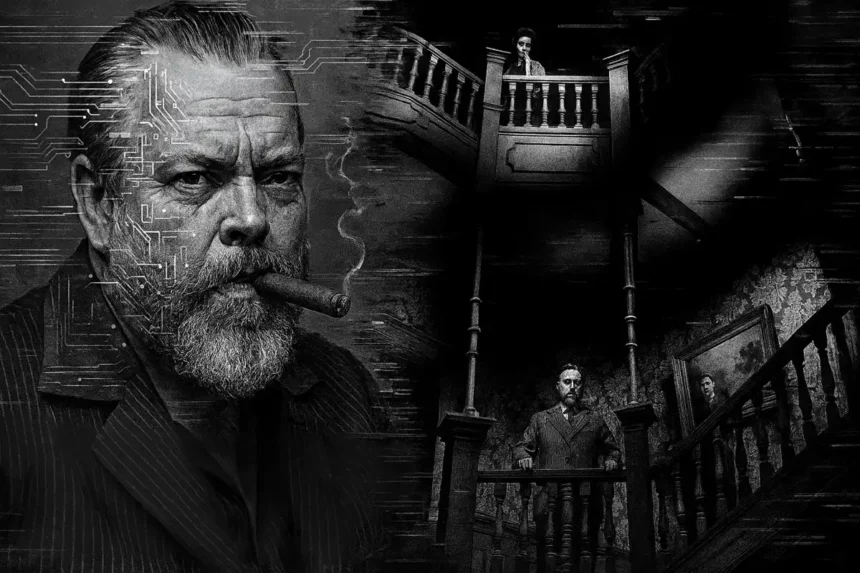

On Friday 5th September, startup Fable revealed its plan to digitally reconstruct 43 minutes of lost footage from Orson Welles’ 1942 film “The Magnificent Ambersons“. The company, which is backed by Amazon’s Alexa Fund and markets itself as the “Netflix of AI,” intends to use a new AI model capable of generating intricate, lengthy stories to recreate the missing scenes, with filmmaker Brian Rose leading the effort.
Fable’s approach involves blending AI with traditional filmmaking techniques, including re-shoots with contemporary actors whose faces would then be digitally swapped for those of the original cast. The company has not secured rights to the film nor consulted Welles’ estate, which has publicly criticized the project. David Reeder, who manages Welles’ estate for his daughter Beatrice, called it a “mechanical exercise”, emphasizing that it lacks the innovative spirit of Welles’ work and expressing frustration over the estate being left out of the process.
The project’s focus on Welles’ “Ambersons” is notable for its symbolic significance, as the film is viewed as a lost masterpiece—partially destroyed by studio interference, with only partial footage surviving. Despite that, the estate’s representative pointed out that the project is more about generating publicity than anything else and criticized the lack of permission.
While other attempts at posthumous reconstruction have used footage directly shot by Welles, Fable’s plan relies on AI-driven generation and digital reshoots, raising questions about authenticity and legal rights. The effort appears more like a demonstration than a serious release, especially considering the absence of official rights clearance.
Filmmaker Rose expressed a desire to honor Welles’ vision, mourning the loss of the original shot. Still, critics argue that AI cannot truly replicate Welles’ creative genius or produce Welles’ “Ambersons” that was once lost. Instead, what would emerge are “Frankenstein” versions—digital clones filled with CGI replicas, not the real Welles’ work. The project underscores ongoing tensions over AI’s capability to recreate or repair cultural artifacts without appropriate permissions or creative oversight.
Also Read: Sora AI is Booming: Hidden Secrets Behind Text to Video AI
Why It Matters
This development exemplifies broader concerns about AI’s ethical use in cultural preservation and intellectual property. As AI tools become more advanced, startups and studios alike are experimenting with resurrecting works—often without clear legal rights—prompting debates over the responsibilities of creators and rights holders.
Fable’s initiative also raises questions about authenticity and artistic integrity; can a machine truly replicate Welles’ visionary style, or does this risk commodifying his legacy? The controversy is likely to intensify as more companies explore AI’s role in media reconstruction, often with little oversight or regard for rights holders.