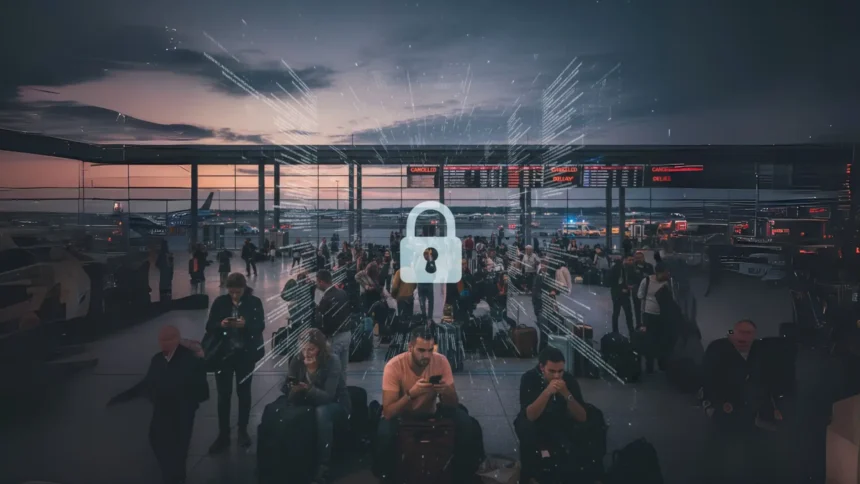

A major ransomware attack targeting a critical aviation technology supplier has caused significant flight delays and cancellations across Europe, impacting major hubs like Heathrow, Berlin, and Brussels. The EU’s cybersecurity agency, ENISA, has confirmed the incident is under active investigation.
The attack specifically hit the MUSE passenger processing system, a piece of software from Collins Aerospace (owned by RTX) that is fundamental to modern airport operations. MUSE allows multiple airlines to seamlessly share physical infrastructure like check-in desks and boarding gates. Its disruption creates an operational bottleneck, having a cascading effect that can grind an airport terminal to a halt.
ENISA is aware of the ongoing disruption of airports’ operations, which were caused by third-party ransomware incident
Collins Aerospace
While Collins Aerospace is actively working with affected airports to restore services , the company has yet to respond to requests for comment. The incident remains under active investigation and so far, no group has come forward to claim responsibility for the European airport ransomware attack.
You may also like: California Passing SB 243 Bill – New Standard With For AI Chatbot Protection
Advice for Travelers
If you are scheduled to fly from a European airport, especially those confirmed to be affected, take the following steps:
Editor’s Choice: OpenAI Launches Affordable $4.50 GPT Go Subscription Plan in Indonesia Explore Reasons
Frequently Asked Questions (FAQ)
Which airports are affected by the ransomware attack?
Confirmed major hubs include Heathrow, Berlin, and Brussels, with potential for wider disruption across the European network.
Was the airport itself hacked?
No, the attack targeted a third-party technology supplier, Collins Aerospace, whose software is used by the airports. This is known as a supply chain attack.
Who is responsible for the attack?
As of now, no group has claimed responsibility for the ransomware attack.